Before adding any supplement to your daily routine, it’s worth understanding what it contains, who should be cautious, and what side effects are possible. This page walks through Lungora’s safety profile, ingredient by ingredient, so you can make an informed decision — especially important for adults over 50, who are more likely to be managing a health condition or taking other medications.
This page is for general education, not medical advice. It does not replace a conversation with your doctor or pharmacist, who can review Lungora’s full ingredient panel against your specific health history and current medications. Always check the label on the bottle you actually receive, since it reflects the accurate information for your batch.
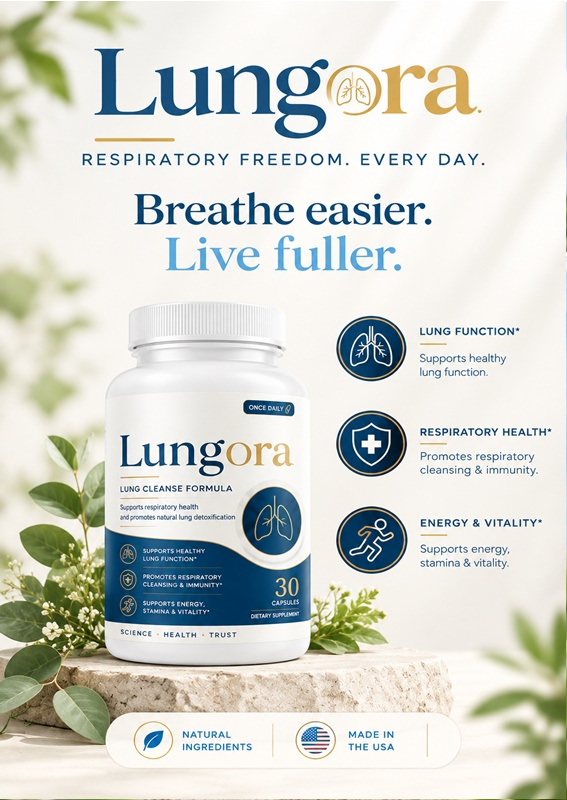
Is Lungora Generally Considered Safe?
Lungora is manufactured in a GMP-certified facility, and its full ingredient panel — including exact amounts — is disclosed on the product label. Each of its six ingredients (Magnesium Glycinate, Alpha Lipoic Acid, Butcher’s Broom Root Extract, L-Carnitine, Turmeric Extract, and Coenzyme Q10) has an established history of use in dietary supplements and has been individually studied in published research.
That said, “generally considered safe” is not the same as “risk-free for everyone.” Supplements are regulated differently from medications — they don’t need pre-market approval for safety and effectiveness the way drugs do — so individual ingredient quality, your personal health history, and what other medications you take all affect whether a given product is a good fit for you specifically.
Common, Mild Side Effects to Be Aware Of
As with most dietary supplements, mild side effects are possible, particularly when your body is adjusting to a new formula. Reported effects associated with the types of ingredients in Lungora can include:
- Mild digestive discomfort — nausea, stomach upset, or loose stools, most commonly associated with magnesium-containing supplements, especially when taken on an empty stomach
- Headache — occasionally reported when starting antioxidant supplements like alpha lipoic acid
- A metallic or unusual taste — sometimes reported with alpha lipoic acid
- Mild fishy body odor — a known, harmless effect some people notice with L-carnitine supplementation
- Heartburn or mild stomach irritation — associated with turmeric/curcumin, particularly at higher doses or on an empty stomach
These effects are typically mild and tend to resolve as your body adjusts, or by taking the capsule with food. If any side effect is persistent, severe, or concerning, stop use and speak with a doctor.
Ingredient-by-Ingredient Safety Notes
Magnesium Glycinate
Magnesium glycinate is generally considered one of the gentler, better-tolerated forms of magnesium, with a lower likelihood of the digestive upset associated with forms like magnesium oxide or citrate. Still, magnesium supplementation can cause mild GI symptoms in some people, and those with kidney disease should be cautious, since impaired kidneys are less able to clear excess magnesium from the body.
Alpha Lipoic Acid (ALA)
ALA is generally well tolerated at typical supplement doses. Reported side effects can include mild nausea, skin rash, or an unusual taste. Because ALA can affect blood sugar levels, people with diabetes — particularly those on insulin or other blood sugar-lowering medication — should monitor their blood sugar closely and talk with their doctor before starting.
Butcher’s Broom (Ruscus aculeatus) Root Extract
Butcher’s broom has a long history of traditional and supplement use, primarily for circulatory support. Reported side effects are uncommon but can include mild nausea, stomach upset, or, rarely, itching. Because of its traditional association with circulatory effects, people with high blood pressure should monitor their blood pressure and check with a doctor before use.
L-Carnitine
L-carnitine is generally well tolerated. The most commonly reported side effect is a fishy body odor, which is harmless but can be noticeable at higher doses. Mild digestive symptoms, including nausea or stomach cramps, have also been reported. People with a seizure disorder should talk to their doctor before use, as carnitine supplementation has occasionally been associated with seizure activity in people with a pre-existing seizure disorder.
Turmeric (Curcuma longa) Extract, 95% Curcuminoids
Turmeric and curcumin are widely used and generally well tolerated, though higher doses can cause stomach upset, heartburn, or diarrhea in some people. Turmeric can also have a mild blood-thinning effect, which is why it’s important to discuss use with your doctor if you take blood-thinning medication or have an upcoming surgery. People with gallbladder problems should also use caution, as turmeric can stimulate bile production.
Coenzyme Q10 (as Ubiquinone)
CoQ10 is generally well tolerated, with mild digestive upset, headache, or insomnia (if taken too close to bedtime) reported occasionally. CoQ10 has a well-documented interaction with warfarin and other blood-thinning medications, where it may reduce their effectiveness — this is an important interaction to discuss with your doctor if you’re on blood thinners.
Medication Interactions to Discuss With Your Doctor
Because several ingredients in Lungora have known potential interactions, this is one of the most important sections on this page if you take prescription medication. Interactions worth specifically raising with your doctor or pharmacist include:
- Blood thinners (e.g., warfarin) — CoQ10 and turmeric can both interact with blood-thinning medications, either reducing their effectiveness or increasing bleeding risk, depending on the specific interaction
- Diabetes medication or insulin — alpha lipoic acid can lower blood sugar, which may require dose adjustments if combined with blood sugar-lowering medication
- Blood pressure medication — magnesium and butcher’s broom can both have mild effects on blood pressure or circulation
- Antibiotics — certain classes of antibiotics can interact with magnesium supplements, affecting absorption of either the antibiotic or the magnesium
- Chemotherapy medications — some oncologists advise caution with antioxidant supplements, including alpha lipoic acid and CoQ10, during certain chemotherapy regimens, since the interaction between antioxidants and specific treatments is still an active area of research
This list is not exhaustive. The safest approach is to bring your complete Lungora label to your next doctor or pharmacist appointment, or call them directly, before you start.
Who Should Consult a Doctor Before Taking Lungora
You should talk with a doctor before starting Lungora if any of the following apply to you:
- You are pregnant or breastfeeding
- You are under 18 years old
- You have kidney disease or reduced kidney function
- You have diabetes or take blood sugar-lowering medication
- You take blood thinners, including warfarin or aspirin therapy
- You have a seizure disorder
- You have gallbladder disease
- You have an upcoming surgery scheduled
- You are undergoing cancer treatment
- You have any diagnosed chronic health condition or take daily prescription medication
This isn’t a complete list of every situation that warrants caution — when in doubt, ask.
When to Stop Use and Seek Medical Attention
Stop taking Lungora and contact a doctor promptly if you experience:
- Signs of an allergic reaction, such as rash, itching, swelling, severe dizziness, or difficulty breathing
- Unusual or severe digestive symptoms that don’t resolve
- Signs of low blood sugar (if you have diabetes), such as shakiness, confusion, or sweating
- Any other symptom that feels severe, sudden, or concerning
If you’re experiencing a medical emergency, contact emergency services immediately rather than waiting to see if symptoms improve.
Tips for Minimizing Side Effects
- Take Lungora with food, unless your label specifically says otherwise — this can help reduce the mild digestive discomfort some people experience with magnesium or turmeric
- Start by following the exact label directions rather than adjusting the dose on your own
- Avoid taking it too close to bedtime if you’re sensitive to CoQ10’s mild energizing effect for some users
- Give your body time to adjust — many mild effects associated with new supplements ease within the first one to two weeks
- Keep a simple symptom note for the first few weeks if you’re introducing several new supplements at once, so you can identify what’s responsible for any change you notice
Frequently Asked Questions
Is Lungora safe for daily, long-term use?
Lungora is formulated for daily use as part of a long-term wellness routine. If you plan to use it long-term, it’s still worth periodically checking in with your doctor, especially if your health status or medications change.
Can Lungora cause an allergic reaction?
As with any supplement, an allergic reaction is possible, though uncommon. Review the full ingredient panel on your label for anything you know you’re sensitive to, and seek medical attention immediately if you notice signs of an allergic reaction.
Is it safe to take Lungora with other supplements?
This depends on what else you’re taking. Taking multiple magnesium-containing or antioxidant supplements together can lead to higher-than-intended total doses. If you take other supplements regularly, it’s worth reviewing your full supplement list with a doctor or pharmacist.
Does Lungora cause drowsiness or affect alertness?
Lungora isn’t formulated with sedating ingredients, but magnesium can have a mild relaxing effect for some people. If you notice any effect on alertness, avoid driving or operating machinery until you know how it affects you.